Oct 2026. Volume 39.
Dermatology Snapshots
Highlights:
NICE updates: ruxolitinib and glycopyrronium cream
LDOM in paediatric patients
A Delphi consensus on chronic prurigo
A systematic review of dupilumab-associated facial and neck erythema
Zinc deficiency in bullous pemphigoid
Determinants of real-world sunscreen effectiveness
Does gamification improve training?
Ruxolitinib ‘super responders’ in vitiligo treatment
Oestrogen therapy for menopausal hair loss?
European SCC guidelines

Low-Dose Oral Minoxidil Use for Pediatric Hair Disorders: An International Consensus Statement
Authors: Akiska YM, Fu J, Castelo-Soccio L, Mathes E, Mirmirani P, Jamerson T, Sibbald C, et al.
Journal: JAMA Dermatology (Published online September 30, 2026)
DOI: 10.1001/jamadermatol.2026.3749
Why we chose this paper?
While low-dose oral minoxidil (LDOM) has rapidly gained popularity in adult hair loss clinics, its off-label use in paediatric patients has historically lacked standardised, evidence-based guidance. Paediatric dermatologists have often faced clinical uncertainty regarding appropriate starting doses, age/weight thresholds, cardiovascular screening, and side-effect management. This consensus statement addresses a critical gap in paediatric dermatology practice by delivering a clear, expert-backed roadmap to safely integrate LDOM into paediatric regimens.
Study aim and design
Aim: To establish the first international expert consensus framework governing the off-label initiation, dosing parameters, cardiovascular monitoring, and safety protocols for LDOM in paediatric hair disorders.
Design: An international consensus panel composed of paediatric dermatologists, hair experts, and clinical researchers convened using a structured iterative survey process (modified Delphi method) to synthesise available safety/efficacy data and form consensus recommendations.
What were the main findings?
Therapeutic Role: LDOM is validated as a flexible, effective, non-immunosuppressive treatment option for paediatric hair disorders (including alopecia areata, loose anagen hair syndrome, and severe non-scarring hair loss).
Paediatric Dosing Framework: Recommends conservative, paediatric-adjusted starting micro-doses (e.g., typically ranging between 0.25 mg to 0.625 mg daily based on patient age and body weight) with slow, stepped titration.
Cardiovascular Safety: Clarifies safety parameters in younger cohorts, recommending baseline blood pressure tracking and clinical evaluation while noting a low incidence of systemic hemodynamic complications at low micro-doses.
Adverse Event Protocols: Identifies hypertrichosis as the primary dose-dependent adverse effect and provides structured counselling strategies for parents and patients.
Limitations and applicability
Limitations: The recommendations rely primarily on expert panel consensus, retrospective cohort data, and real-world clinical experience due to the ongoing scarcity of large-scale, prospective randomised controlled trials (RCTs) in paediatric LDOM.
What’s the take-home message?
Low-dose oral minoxidil is a safe, flexible, and effective tool in the paediatric hair disorder armamentarium when initiated conservatively.
Clinic Action: When considering LDOM for paediatric patients with severe or non-responsive hair loss, implement baseline blood pressure screening, start at age/weight-adjusted micro-doses (0.25–0.625 mg/day), titrate gradually, and counsel parents early regarding dose-dependent hypertrichosis to ensure treatment compliance and safety.

NICE UPDATES
NICE recommends ruxolitinib cream for facial non-segmental vitiligo in patients aged 12 and over
NICE TA1140, published on 17 March 2026, recommends ruxolitinib 1.5% cream (Opzelura) as an NHS treatment option for patients aged ≥12 years with non-segmental vitiligo involving the face, when first-line topical treatments have been ineffective or are unsuitable. The recommendation follows a revised commercial arrangement and replaces the previous guidance. Clinical trials demonstrated greater repigmentation with ruxolitinib than vehicle cream, although comparative evidence against phototherapy remains uncertain. Treatment should be initiated and supervised by clinicians experienced in vitiligo; the licensed regimen is twice-daily application to affected areas, covering no more than 10% body surface area. NHS funding in England should be available within 90 days of publication, with prescribing and monitoring anticipated in secondary care. This provides an additional option before phototherapy for appropriately selected patients.
NICE recommends glycopyrronium bromide cream for severe primary axillary hyperhidrosis
NICE TA1175, published in July 2026, recommends glycopyrronium bromide 2.2 mg/pump-actuation cream (Axhidrox) as an NHS treatment option for adults with severe primary axillary hyperhidrosis when lifestyle advice, topical aluminium-based antiperspirants and oral antimuscarinics have failed to control sweating, or are contraindicated or not tolerated. Clinical trials demonstrated reductions in underarm sweating and improvements in quality of life compared with placebo, although comparative evidence against oral antimuscarinics and botulinum toxin is limited. The cream provides a topical anticholinergic option for patients who remain symptomatic despite conventional treatment. Clinicians should counsel patients about local skin reactions and potential anticholinergic adverse effects, including dry mouth, dry eyes and blurred vision, and the importance of avoiding transfer to the eyes or other areas. Prescribing should follow the licensed regimen and local NHS formulary arrangements.

Bridging the Gap in Chronic Prurigo Care: Evidence-Based Diagnostic and Therapeutic Recommendations from a Delphi Consensus Panel
Mendes-Bastos P, Lobo I, Pires da Rosa G, et al. Bridging the Gap in Chronic Prurigo Care: Evidence-Based Diagnostic and Therapeutic Recommendations from a Delphi Consensus Panel. Dermatol Ther (Heidelb). 2026;16(7):3361–3383.
Why we chose this paper?
Chronic prurigo (CPG), previously termed prurigo nodularis, causes substantial itch, skin lesions and quality-of-life impairment. With the recent approval of targeted biologics, practical guidance on diagnosis, investigation and treatment is increasingly important.
Study aim and design
A consensus guideline developed using a two-round Delphi process. A literature review informed 38 statements, which were voted on by 23 Portuguese dermatologists experienced in CPG management. Consensus was defined as ≥75% agreement, with ≥95% indicating strong consensus.
What were the main findings?
Diagnosis: Requires pruritus lasting ≥6 weeks, a history of repeated excoriation and multiple pruritic lesions. History and examination should assess potential dermatological, systemic, metabolic and neuropsychiatric comorbidities.
Investigation: The panel recommended baseline blood tests and viral serology, with further investigations guided by clinical findings. Validated measures, including WI-NRS, IGA-PN and DLQI, should assess itch, disease severity and quality-of-life impact.
Treatment: Management should be individualised according to severity, comorbidities and patient-reported outcomes. Emollients are recommended throughout treatment; topical corticosteroids, calcineurin inhibitors and phototherapy are options for milder disease.
Systemic treatment: Consider when IGA-PN activity/stage ≥3, WI-NRS ≥7 or DLQI ≥10. Dupilumab and nemolizumab are targeted options. Gabapentinoids and antidepressants may be considered, while JAK inhibitors and IL-13 inhibitors remain off-label options supported by more limited evidence.
Limitations and applicability
This is expert consensus rather than a prospective clinical study. Recommendations are based partly on small, retrospective or indirect studies. The panel comprised Portuguese dermatologists, and some recommendations may not translate directly to UK practice or local treatment pathways. Funding included Sanofi and Galderma.
What’s the take-home message?
Use a structured approach to diagnosis, investigation and validated severity assessment, then tailor treatment to disease burden. Targeted biologics represent important advances, but evidence for several alternative systemic therapies remains limited.

Dupilumab-Associated Facial and Neck Erythema: An Updated Systematic Review of Management Strategies
Jo CE, Sood S, Bagit A, et al. Journal of Cutaneous Medicine and Surgery. 2026
Why we chose this paper?
Dupilumab-associated facial and neck erythema (FNE) is a recognised, potentially treatment-limiting adverse effect of dupilumab in atopic dermatitis. This updated systematic review summarises potential causes and treatment options, including evidence for managing FNE without discontinuing dupilumab.
Study aim and design
A systematic review updating a 2021 review. MEDLINE and EMBASE were searched to December 2024. Sixty-eight studies, comprising 867 patients, were included. Most were retrospective studies, case reports or case series; outcomes were synthesised descriptively.
What were the main findings?
Presentation and aetiology: FNE was new-onset in 54.9% and worsening pre-existing disease in 39.2%. Among reported causes, allergic contact dermatitis was most common (21.2%), followed by Malassezia furfur hypersensitivity (13.5%) and residual atopic dermatitis (2.8%). However, no specific cause was documented in many cases.
Investigations: Patch testing was reported in only 14.9% of cases and skin biopsy in 8.8%, highlighting that investigation was inconsistent.
Treatment: Topical corticosteroids combined with calcineurin inhibitors were commonly used. Complete resolution was reported with topical antifungals in 69.6% (16/23) and oral antifungals in 66.1% (82/124). All 35 patients treated with upadacitinib achieved complete resolution, although this was based on uncontrolled reports. Among patients receiving no further intervention while continuing dupilumab, 27.7% (13/47) achieved complete resolution.
Limitations and applicability
Evidence was heterogeneous, with inconsistent outcome reporting, no head-to-head or placebo-controlled comparisons, and potential publication bias. Apparent treatment success rates may therefore be overestimated and cannot establish comparative efficacy.
What’s the take-home message?
Consider allergic contact dermatitis and Malassezia hypersensitivity when assessing dupilumab-associated FNE. Topical or oral antifungals may help while dupilumab is continued, but treatment should be guided by clinical assessment; comparative trials are needed to establish the optimal approach.

Zinc deficiency in bullous pemphigoid: predisposing factors, skin fragility and renal function impact
Tai et al., British Journal of Dermatology, 2026
Why we chose this paper?
Zinc deficiency is common in older adults but rarely checked in bullous pemphigoid (BP). This retrospective study identifies a high prevalence of severe zinc deficiency in BP and links it to skin fragility, poor wound healing, hypertension, and renal dysfunction—all modifiable factors. It offers a simple, inexpensive, immediately actionable intervention (serum zinc testing and supplementation) that could change day-to-day management of BP.
Study aim and design
Retrospective case–control study at a single Taiwanese hospital (2011–2023). Included 104 patients with confirmed BP and serum zinc measured within 6 months of diagnosis, compared with 520 age- and sex-matched controls without major illness. Aim: determine prevalence of zinc deficiency in BP and its clinical correlates, including skin fragility and renal function.
What were the main findings?
Patients with BP had significantly lower mean serum zinc than controls (58.4 vs 69.7 µg/dL; P<0.001) and lower BMI. Severe zinc deficiency (<50 µg/dL) occurred in 29.8% of BP patients vs 8.3% of controls (P<0.001), and remained lower across all eGFR, age, and BMI strata. Among BP patients, severe deficiency was independently associated with BMI <18.5 kg/m² (OR 10.63), chronic kidney disease (OR 5.19), and hypertension (OR 9.43). Clinically, zinc-deficient BP patients often presented with skin fragility and erosions rather than classic tense bullae—sometimes misinterpreted as treatment-refractory disease—and adhesive tape caused epidermal stripping. After zinc supplementation, wound re-epithelialisation improved and erosions decreased, though scoring was not standardised. In patients with eGFR <90 who achieved >20% rise in serum zinc, renal function improved over 6 months (52.0 to 73.8 mL/min/1.73 m²; P=0.019), whereas unsupplemented patients showed no change.
Limitations and applicability
Single-centre, retrospective design with selection bias (zinc supplementation was at physician discretion; not all deficient patients were supplemented). No standardised wound-healing scores, limiting quantification of clinical improvement. Control selection from family medicine/geriatric clinics may not be fully representative. Causal inference is limited; prospective trials are needed.
What’s the take-home message?
Consider checking serum zinc in BP patients—especially those who are older, underweight (BMI <18.5), hypertensive, or have CKD—and consider supplementation if deficient. It is a low-cost, low-risk intervention that may improve skin fragility, wound healing, and possibly renal function, and may prevent misattributing zinc-deficiency-related erosions to refractory BP.
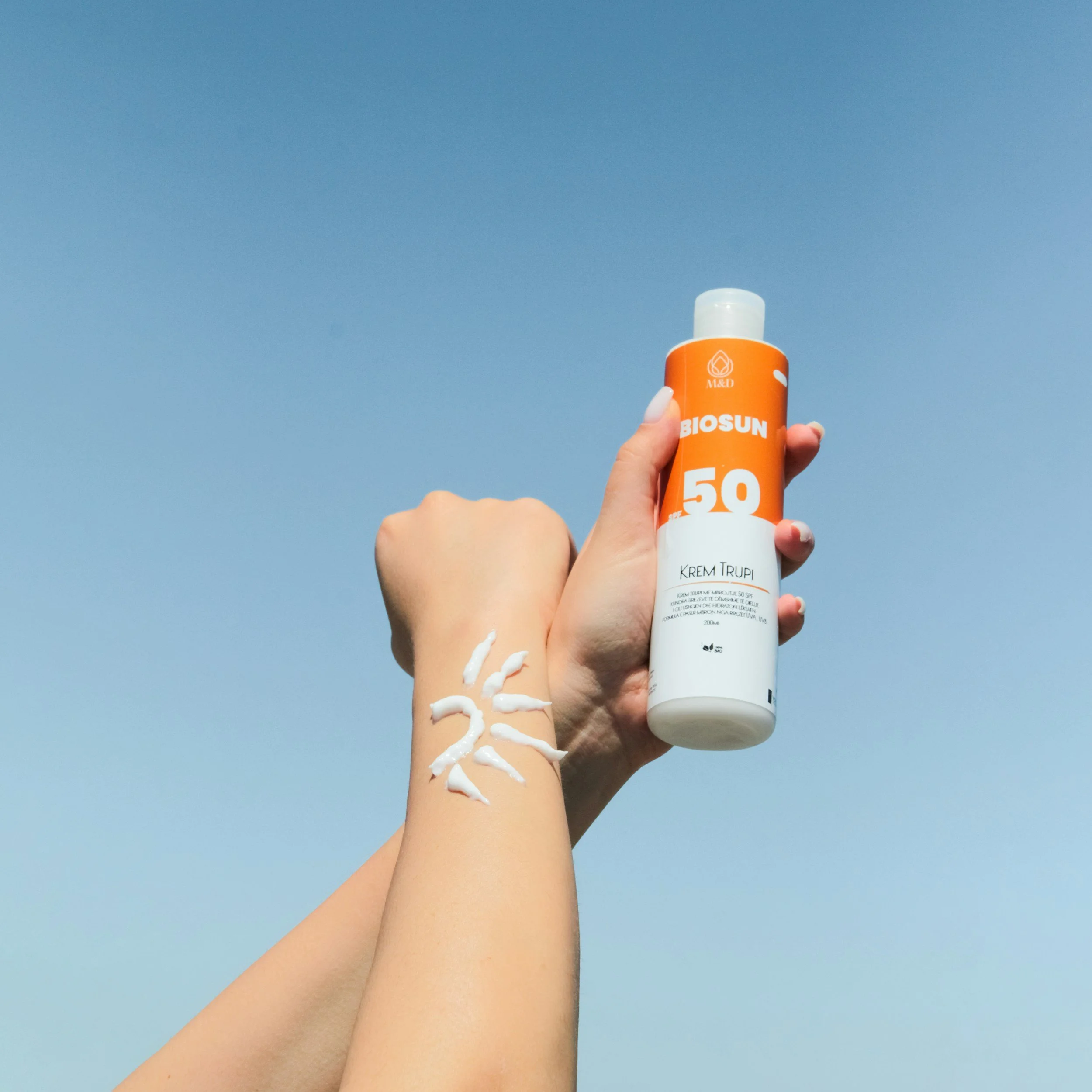
Determinants of real-world sunscreen effectiveness: from ultraviolet radiation photobiology to human behaviour
Panahi M, Sia RI, Du-Harpur X, Fassihi H. British Journal of Dermatology. 2026
Why we chose this paper?
Sunscreen advice is a daily staple of dermatology clinics, yet clinicians often reduce counselling to “use SPF50 and reapply.” This review dismantles that simplistic message, showing that real-world protection depends on photobiology, formulation, regulation, and—critically—human behaviour. For dermatologists, it provides an evidence-based framework to give practical, risk-stratified advice that patients can actually follow, and to counter the misinformation many patients bring to consultations.
Study aim and design
Narrative review examining the determinants of real-world sunscreen effectiveness, spanning photobiology (UVB, UVA, visible light), measurement and regulation (SPF limitations, UVA rating systems), human and environmental safety evidence, and behavioural/communication factors.
What were the main findings?
SPF alone is an inadequate marker of protection: it primarily measures UVB-induced erythema and ignores UVA, visible light, and real-world application density. Standard testing uses 2 mg/cm², but most people apply under half that amount, and anatomical coverage is often incomplete (ears, neck, dorsal hands). High-SPF products still reduce DNA damage even when under-applied, offering some practical advantage. Visible light (especially blue light) drives hyperpigmentation in darker phototypes, and tinted formulations with iron oxides extend protection into this range. Safety concerns are largely overstated: systemic absorption does not equate to clinical toxicity; sunscreen does not cause vitamin D deficiency in real-world use; and environmental claims around oxybenzone rely on high experimental concentrations. The most consistent adverse effect is allergic/photoallergic contact dermatitis, most often to oxybenzone or inactive ingredients. Misinformation is widespread: only 4% of sunscreen posts on X contained verifiable information, and 69% of TikTok “sunscreen conspiracy” content was anti-sunscreen, mostly from non-experts. Behavioural compensation (sunscreen use enabling prolonged high-risk exposure) and poor adherence in younger people and men further undermine effectiveness.
Limitations and applicability
As a narrative review, it does not provide new primary data or meta-analysis. Much of the behavioural and misinformation evidence is descriptive and social-media-based, with limited generalisability. Regulatory details are region-specific (UK/EU/US) and may change. However, the core messages are directly applicable to NHS consultations and require no new resources.
What’s the take-home message?
Move beyond “use SPF50.” Tailor advice to phototype and risk: emphasise broad-spectrum coverage including UVA and, for pigmentary disorders in darker skin, visible light protection (tinted products). Counsel on adequate application (≈2 mg/cm², roughly a teaspoon for the face) and coverage of commonly missed sites. Reapplication every 2 hours outdoors matters more than the SPF number. Correct misinformation calmly, and frame sunscreen as one component of a wider strategy (shade, clothing, timing). The best sunscreen is the one the patient will apply correctly and consistently.

Gamification of dermatology diagnostics training: a nationwide, randomized controlled trial of 34 556 cases
Kristensen SIP, Ternov NK, Nervil GG, Andersen SAW, Guitera P, Braun RP, Konge L, Navarrete-Dechent C, Hölmich LR, Frendo M. Clinical and Experimental Dermatology, 2026
Why we chose this paper?
Dermatology trainees and clinicians increasingly use digital platforms and gamified apps for dermoscopy and skin cancer training, and many assume that leaderboards and points improve learning. This nationwide randomised controlled trial tests that assumption with objective outcomes rather than self-reported satisfaction. For anyone involved in dermatology education—consultants supervising trainees, educational leads, or clinicians choosing CPD tools—it provides a clear, practice-relevant message: gamification boosts volume of practice but not necessarily skill.
Study aim and design
Nationwide randomised controlled trial in Denmark. Seventy-one medical students without prior dermatology experience were randomised 1:1 to a gamification group (daily leaderboard showing anonymous rankings based on points) or a control group (same app, daily message without leaderboard). Both had 3 weeks of access to a quiz-based skin cancer diagnostics app (2,376 histopathologically or expert-confirmed lesions across seven diagnoses). Week 1 was the active intervention; weeks 2–3 were a washout with free access but no messages or leaderboards. Diagnostic skill was assessed with validated 12-case pretests and post-tests; 34,556 cases were completed in total.
What were the main findings?
The gamification group trained 3.3 times as many cases as controls (mean 785 vs 240; P<0.01), and continued to train more during the washout period (38 vs 5 cases; P<0.05). However, there was no significant difference in diagnostic skill improvement: +0.12/12 (2.2%) in the gamification group vs +0.65/12 (14.3%) in controls (P=0.40). Neither group improved significantly from pre- to post-test. The gamification group had a lower probability of success per case (11.3% lower, adjusted for difficulty and case number; P<0.001), spent less time per case (21.3 vs 39.8 seconds, non-significant), and gained fewer points per case. The difficulty-adjusted performance index improved within both groups from the first to last 25 cases (gamification +23.4%, control +19.1%), but with no between-group difference. Higher pre- and post-test scores were associated with completing more cases regardless of group.
Limitations and applicability
The main limitation is the modest overall skill acquisition in both groups, raising the question of whether the training dose was sufficient to detect a gamification effect. The sample was small (71), recruited via dermatology-interested student forums (possible selection bias), and participants could not be blinded. Secondary outcomes were not adjusted for multiplicity. The app was developed by some of the authors, and one author is CEO of the company (declared conflict). The findings may not generalise to more motivated trainees, longer training, or different gamification designs. Nonetheless, the RCT design, objective outcomes, and large number of completed cases make the behavioural findings credible.
What’s the take-home message?
Gamification (leaderboards) drives engagement and practice volume but does not, by itself, improve diagnostic accuracy—and may encourage a speed–accuracy trade-off. For dermatology training, prioritise evidence-based instructional methods: directed self-regulated learning, deliberate practice with feedback, and mastery learning with predefined performance goals. If using gamified apps, pair them with structured reflection and accuracy-focused feedback rather than ranking alone.

Untangling estrogen therapy for menopausal hair loss: A systematic review
Farkas et al., Journal of the American Academy of Dermatology, 2026
Why we chose this paper?
Dermatologists frequently see menopausal women with hair thinning and are asked whether oestrogen therapy will help—or whether it is safe for the hair. This PRISMA-guided systematic review directly addresses that question and gives a clear, evidence-based answer.
Study aim and design
Systematic review (PRISMA-guided) searching PubMed, Embase, and Scopus from inception to July 2025. Peer-reviewed interventional and observational studies were included; animal studies, case reports, and non-English publications were excluded. Two reviewers screened 1,715 records; 13 studies met criteria. Study quality was assessed with CASP checklists matched to design; most studies had moderate-to-substantial limitations.
What were the main findings?
Topical oestrogens: 17α-estradiol (0.025–0.05%) was the most studied topical agent. Uncontrolled trials reported increases in hair count and calibre in female pattern hair loss (FPHL), but in a comparative RCT, 17α-estradiol was significantly inferior to topical minoxidil. Topical finasteride plus minoxidil also outperformed 17α-estradiol plus minoxidil. 17α-ethinylestradiol plus 2% minoxidil did not significantly outperform 2% minoxidil alone, and menstrual irregularities were more frequent with combination therapy (55% vs 5%). Estradiol valerate (0.03%) improved anagen:telogen ratios in a placebo-controlled trial, but serious gynaecological adverse events were reported (one breast cancer, two endometrial hyperplasia; causality unclear). Notably, topical oestrogens were generally evaluated without hormone-level monitoring or prespecified endometrial surveillance—a critical safety gap given uncertain systemic absorption.
Systemic MHT: Six studies evaluated hair outcomes. Findings were mixed and largely subjective: one study found increased telogen rates at 3 months but improvement in frontal hairline thinning at 6 months; two observational studies reported subjective improvement in FPHL. Conversely, two studies (Moreno-Arrones et al. and Singal et al.) found MHT was associated with increased odds/risk of FFA. Studies mainly involved synthetic progestins, limiting relevance to current practice favouring micronized progesterone. No studies systematically examined whether MHT precipitates telogen effluvium.
Limitations and applicability
Small, heterogeneous studies with short follow-up, variable formulations, and inconsistent outcome measures limit generalisability. Many trials did not prespecify patient-meaningful endpoints, leaving clinical relevance uncertain. No studies examined topical 17β-estradiol—the most widely used oestrogen in contemporary MHT—for hair loss. The evidence is therefore insufficient to support routine oestrogen therapy for hair loss, but it is sufficient to inform counselling and to flag the FFA signal.
What’s the take-home message?
We cannot recommend topical or systemic oestrogen for hair loss in dermatological practice, based on the current evidence. Topical minoxidil remains the first-line pharmacologic treatment for FPHL, with low-dose oral minoxidil increasingly used off-label. In menopausal women with hair thinning, counsel that MHT is not an established hair-loss treatment and may be associated with FFA risk in susceptible individuals; if MHT is being considered for menopausal symptoms, that decision should be made for its licensed indications, not for hair benefits.
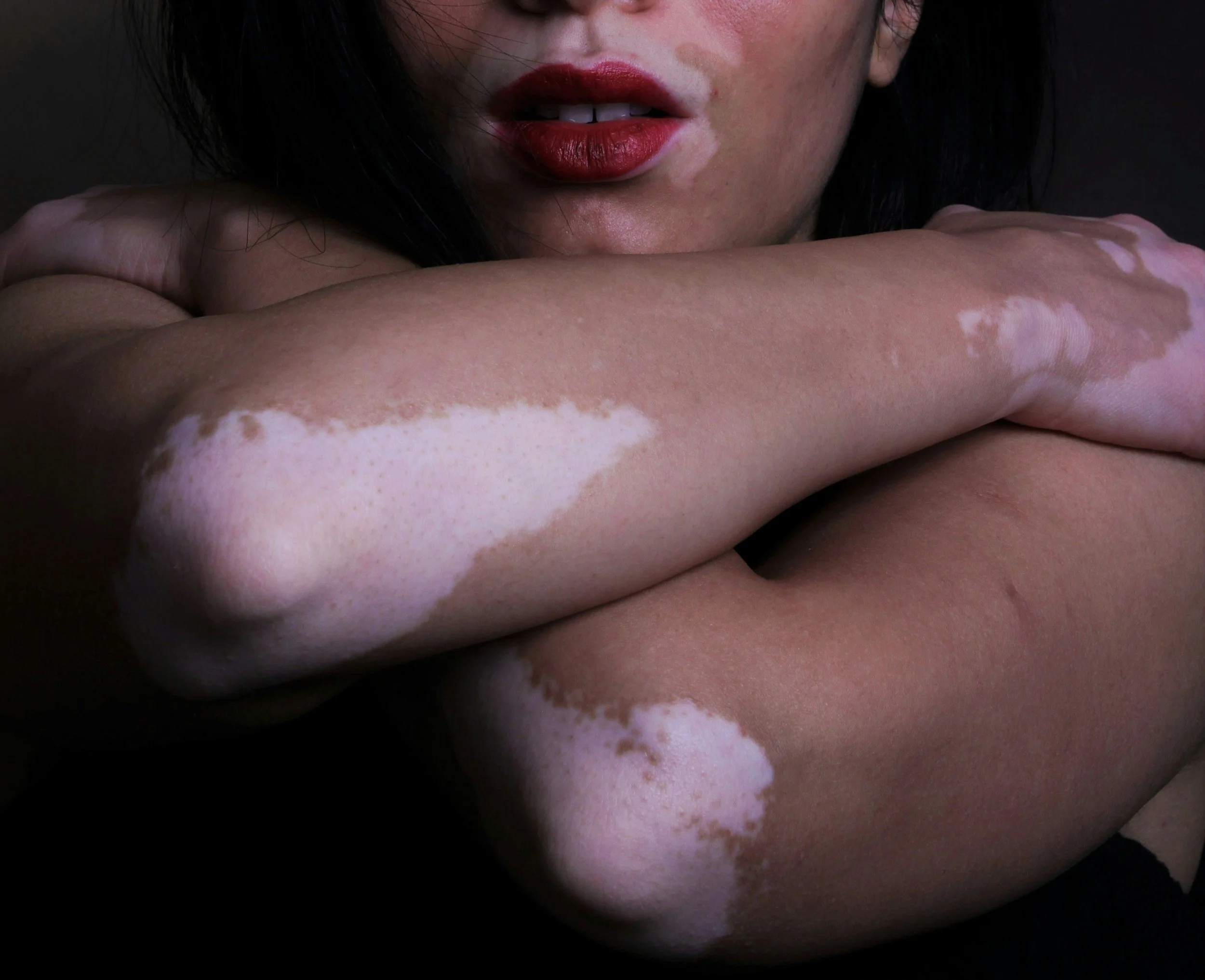
Predictors and clinical impact of super-response in vitiligo patients treated with topical ruxolitinib: A real-world cohort study from a Turin Vitiligo Registry
Fiasconaro et al., Journal of the American Academy of Dermatology, 2026
Why we chose this paper?
Topical ruxolitinib is the only licensed topical JAK inhibitor for non-segmental vitiligo, and dermatologists need to know who is likely to respond and how to counsel patients at initiation. This real-world cohort study defines a "super-responder" phenotype and identifies baseline disease activity (VSAS) as the only independent predictor of early response. It gives a simple, clinic-ready tool for stratification and realistic expectation-setting.
Study aim and design
Retrospective, single-centre, real-world observational study (Turin Vitiligo Registry) of 315 adults with non-segmental vitiligo involving the face, treated with topical ruxolitinib 1.5% twice daily for ≥6 months (January 2025–January 2026). Patients received monotherapy (n=148) or combination therapy (n=167; NB-UVB twice weekly for 36 sessions or dexamethasone pulse 4 mg/day on 2 consecutive days/week for 6 months). Assessments at baseline (T0), 3 months (T1), and 6 months (T2). Super-responders (SRs) were defined as achieving both F-VASI75 and T-VASI50 at T1. Baseline predictors were assessed by multivariable logistic regression.
What were the main findings?
Response rates: Approximately 25% were SRs at 3 months, similar across groups (24.7% combination vs 25.7% monotherapy). Progressive improvement occurred in both groups: mean VES fell from ~6.9 to ~3.8, and T-VASI from ~5.8 to ~3.6 by 6 months. Facial responses were consistently greater than body responses: by 6 months, F-VASI50 exceeded 70% and F-VASI75 exceeded 55% in both groups. T-VASI50 at 6 months was ~44% (combination) and ~39% (monotherapy). Disease activity (VSAS) fell markedly from ~4.9 at baseline to ~0.5 and ~0.3 by T1 and T2 respectively. Quality-of-life improvements were more modest and attenuated slightly at T2.
Predictors of SR: SRs had shorter disease duration, lower baseline disease severity (VES, T-VASI), and less frequent acral/distal involvement (wrists, hands, feet, limbs)—but no difference in facial involvement or baseline F-VASI. Baseline quality of life did not differ. In multivariable analysis, baseline VSAS was the sole independent predictor of super-response in both groups and both models (combination: OR 0.81–0.83; monotherapy: OR 0.82–0.84; all P<0.05). Disease duration and baseline VES/T-VASI were not independent predictors.
Limitations and applicability
Retrospective, single-centre design; small numbers at 6-month follow-up (75 combination, 62 monotherapy), with attrition bias and no imputation for missing data. The SR definition (F-VASI75 + T-VASI50 at 3 months) is clinically plausible but not formally validated in vitiligo. Combination therapy was chosen jointly with patients based on disease activity/extent, introducing selection bias. Findings reflect a specialist registry and may not generalise to all settings, though ruxolitinib cream is NICE-approved and the VSAS is quick to perform.
What’s the take-home message?
Before starting topical ruxolitinib, record VSAS: lower baseline disease activity predicts an early, marked response (about 1 in 4 patients). Shorter disease duration and absence of acral involvement also favour response. Facial lesions respond best, so counsel accordingly. Use 3-month milestones (F-VASI75 + T-VASI50) to identify super-responders and guide personalised treatment decisions, including whether to continue, combine, or escalate.

European consensus-based interdisciplinary guideline for invasive cutaneous squamous cell carcinoma. Part 1: Diagnostics and prevention - Update 2026
Stratigos AJ et al, European Journal of Cancer. 2026;
Why we chose this paper?
Invasive cutaneous squamous cell carcinoma (cSCC) is one of the most common cancers seen in dermatology clinics, and this 2026 European interdisciplinary guideline update provides updated, practical recommendations on diagnosis, risk stratification, staging, prevention and chemoprevention. It is directly applicable to practice: it defines who needs imaging, who needs a multidisciplinary discussion, which patients are "higher-risk," and when to offer nicotinamide or specialist prevention in transplant recipients.
Study aim and design
European consensus-based interdisciplinary guideline (EADO, EDF, ESTRO, UEMS-Dermatology Venereology, EORTC), updating the 2023 version. It is Part 1, covering definitions, epidemiology, etiopathogenesis, diagnosis, risk classification, staging and prevention. A de novo Medline literature search was performed to October 2025, with AGREE II methodology, Oxford levels of evidence, and colour-coded grades of recommendation (A strong, B medium, C weak, X contraindication, GPP good practice point).
What were the main findings?
Classification: Common primary cSCC is classified as low-risk or higher-risk. Advanced cSCC is locally advanced (LaCSCC), locoregional metastatic, or distant metastatic. A new EADO five-group "difficult-to-treat" (DTT) classification is proposed: DTT-common groups 1 and 2 (complex tumour/patient factors; multiplicity), DTT group 3 (locally advanced), and groups 4 and 5 (regional and distant metastases).
Diagnosis and pathology: Clinical diagnosis plus dermatoscopy, always confirmed histologically. The pathology report should include specimen type, thickness/depth of invasion, differentiation, perineural invasion (PNI), desmoplasia and margin status; lymphovascular invasion and nerve calibre (if PNI ≥0.1 mm) may also be included. Keratoacanthoma is no longer classified as well-differentiated cSCC in the WHO 5th edition.
Risk factors: tumour diameter >20 mm; lip/ear/temple location; thickness >6 mm or invasion beyond subcutaneous fat; poor differentiation; desmoplasia or lymphovascular invasion; PNI (named nerve, ≥0.1 mm, beyond dermis, extensive, symptomatic or radiological); bone erosion; immunosuppression; positive histological margins. Multiple risk factors confer significantly higher risk. The BWH system is highlighted: 3–4 risk factors carry a >10% five-year risk of poor outcomes, 2–4 times that of 2 risk factors.
Staging: Low-risk cSCC needs physical examination only, no imaging. Primary common cSCC with risk factors should be staged for non-palpable nodal involvement, preferably by ultrasound or CT. Suspected bone/soft tissue involvement requires CT or MRI. LaCSCC and nodal disease require imaging to exclude distant metastases. Sentinel lymph node biopsy is not recommended as standard of care (Grade X). The UICC 9th edition (effective January 2026) is largely unchanged from the 8th edition, with two differences: inclusion of lip vermillion/commissure, and redefined PNI for T3.
Prevention and chemoprevention: Photoprotection is the mainstay (UV index ≥3; shade, clothing, broad-spectrum SPF >30). Nicotinamide 500 mg twice daily may be offered to immunocompetent patients with multiple keratinocyte cancers (Grade C; 30% reduction in new cSCC at 12 months in the ONTRAC trial, with supportive retrospective data). In solid organ transplant recipients: education on surveillance and sun protection; oral retinoids should be considered after one or more cSCC; conversion to mTOR inhibitors should be discussed with transplant physicians; modification of immunosuppression can be discussed. Evidence for nicotinamide in transplant recipients is inconsistent (ONTRANS negative), and the SPRINTR trial is awaited.
Limitations and applicability
This is a consensus guideline, not a systematic review with meta-analysis; many recommendations are GPP or based on level 3–4 evidence. Some recommendations (e.g., 40-gene expression profile testing) are adjunctive and not routine, and availability varies. Imaging thresholds are not fully specified because independent effects of individual risk factors are inconsistently reported.
What’s the take-home message?
European guidelines suggest that we classify every cSCC as low-risk or higher-risk using the nine risk factors, and count them—multiple risk factors matter more than any single one. Low-risk tumours need examination only; higher-risk tumours need nodal staging (US or CT), and suspected deep involvement needs CT/MRI. Do not offer SLNB as standard care. Use the BWH system to identify T2b/T3 patients for MDT discussion and consideration of adjuvant radiotherapy. Offer nicotinamide 500 mg twice daily to immunocompetent patients with multiple keratinocyte cancers, and in transplant recipients consider oral retinoids and discuss mTOR inhibitor conversion with the transplant team.