May 2026. Volume 38.
Dermatology Snapshots
Highlights:
Does Senital Node Biopsy improve survival in melanoma patients?
Co-treating Ixekizumab With Tirzepatide - does it enhance response?
Adjuvant cemiplimab in high-risk SCC, does it help?
Do we need to do CXR before starting methotrexate?

Assessment of survival benefit from sentinel node biopsy for melanoma: a systematic review and meta-analysis
Varey AHR et al. Lancet Oncol 2026; 27: 452–60.
Why we chose this paper?
Whether sentinel node biopsy (SNB) improves survival remains highly controversial in clinical practice. Previous benchmark trials like MSLT-I were underpowered to show a definitive survival advantage , and older meta-analyses relied too heavily on single cohorts. This extensive global study provides dermatologists with the most robust, high-certainty evidence to date.
Study aim and design
This systematic review and meta-analysis analysed medical databases up to January 2025 to determine if SNB reduces melanoma-specific mortality and recurrence in adults. To eliminate confounding, researchers pooled 13 well-adjusted studies—encompassing randomised controlled trials, multivariable analyses, and propensity-score matching—which evaluated 40,287 unique patients.
What were the main findings?
SNB was associated with a statistically significant 14% reduction in the overall risk of melanoma-specific death (HR 0.86, 95% CI 0.81–0.92, p<0.0001).
The 5-year melanoma-specific mortality risk was similarly reduced by 16% in patients undergoing the procedure (HR 0.84, 95% CI 0.78–0.90, p<0.0001).
The risk of any melanoma recurrence dropped significantly by 29% (HR 0.71, 95% CI 0.66–0.76, p<0.0001).
Comprehensive sensitivity analyses confirmed these findings were highly robust, showing consistently low heterogeneity across global centres.
Limitations and applicability
Most included records were retrospective cohorts, presenting inherent risks of residual confounding. Additionally, long-term 10-year mortality data lacked statistical significance due to a smaller available sample size. Nevertheless, the results remain directly applicable to standard clinical staging and management guidelines for adults presenting with localized primary cutaneous melanomas.
What’s the take-home message?
SNB seems to provide true survival and recurrence benefits, reinforcing its role as a therapeutic intervention rather than just a staging tool. It ensures optimal regional disease control and represents a highly cost-effective approach compared to managing recurrences with advanced systemic immunotherapies.

Ixekizumab With Tirzepatide Achieved Greater Disease Control Than Ixekizumab Alone in Adults With Psoriatic Arthritis and Overweight or Obesity: Results From a Randomized Clinical Trial
Merola JF et al. Arthritis Rheumatol. 2026; doi:10.1002/art.70134.
Why we chose this paper?
Obesity significantly worsens psoriatic disease severity and weakens biologic treatment responses. This landmark trial is the first to evaluate a dual-targeting strategy combining an anti-IL-17A biologic with a GIP/GLP-1 receptor agonist, directly addressing the core inflammatory-metabolic intersection dermatologists manage daily.
Study aim and design
The TOGETHER-PSA phase 3b randomiSed clinical trial assigned 271 adults with active psoriatic arthritis (PsA) and obesity or overweight with comorbidities to receive either ixekizumab plus tirzepatide (IXE+TZP) or ixekizumab alone. The primary endpoint was simultaneous achievement of an ACR50 response and ≥10% weight reduction at 36 weeks.
Psoriasis Coexistence: Out of the 271 randomized patients in the modified intent-to-treat (mITT) population, 71.6% presented with coexistent psoriasis at baseline.
Severe Cutaneous Disease Dosing: Within this cohort, 4.4% of the participants had moderate-to-severe plaque psoriasis and were assigned to the approved psoriasis-specific ixekizumab dosing regimen (160-mg starting dose followed by 80 mg every 2 weeks for the first 12 weeks, then every 4 weeks) rather than the standard psoriatic arthritis schedule.
What were the main findings?
The dual primary endpoint was met by 31.7% of the combination group versus 0.8% with monotherapy (P<0.001).
Joint disease control was significantly greater, with 33.5% achieving ACR50 with IXE+TZP compared to 20.4% with ixekizumab alone (P=0.02).
Marked weight loss occurred, with 84.5% in the combination arm reaching ≥10% weight reduction versus 4.5% with monotherapy (P<0.001).
Safety profiles showed no new concerns, though mild-to-moderate gastrointestinal events (nausea, diarrhea) were more frequent with tirzepatide.
Significant Absolute PASI Improvements
Absolute PASI Reduction: Concomitant therapy achieved a statistically significant greater reduction in the absolute Psoriasis Area and Severity Index (PASI) score compared to biologic monotherapy.
Statistical Metrics: The adjusted mean change from baseline (CFB) in absolute PASI was -4.3 in the ixekizumab plus tirzepatide (IXE+TZP) group versus -3.3 in the ixekizumab (IXE) monotherapy group. This represents a clear treatment difference of -0.9 (95% CI -1.6 to -0.2; nominal P=0.008) favoring the combination.
Categorical Skin Clearance Trends (PASI 75 / 90 / 100)
While ixekizumab alone is highly potent, adding tirzepatide led to consistently higher numeric clearance rates across all standard dermatologic thresholds at 36 weeks:
PASI 75 Response: Achieved by 64.4% (95% CI 52.8% to 76.0%) of patients in the combination group compared to 52.5% (95% CI 40.3% to 64.8%) in the monotherapy group (treatment difference: 11.9%, 95% CI -5.5% to 29.2%; nominal P=0.177).
PASI 90 Response (Near-Complete Clearance): Reached borderline nominal significance, with 52.2% (95% CI 40.1% to 64.2%) in the combination cohort vs. 35.6% (95% CI 24.2% to 47.0%) in the monotherapy cohort (treatment difference: 16.6%, 95% CI -0.0% to 33.1%; nominal P=0.050).
PASI 100 Response (Complete Skin Clearance): Showed a notable numeric advantage, with 36.9% (95% CI 25.9% to 47.8%) of combination patients achieving completely clear skin compared to 26.6% (95% CI 16.5% to 36.8%) on ixekizumab alone (treatment difference: 10.2%, 95% CI -4.7% to 25.2%; nominal P=0.179).
Limitations and applicability
The trial's open-label nature (mitigated by blinded assessors) and sole focus on US cohorts limit its generalisability. It also excluded normal-weight patients and prior IL-17 inhibitor failures. However, it remains highly applicable to the substantial subset of psoriatic patients with concurrent metabolic syndrome.
What’s the take-home message?
Concomitant treatment with ixekizumab and tirzepatide delivers superior, multi-domain control of skin, joint, and metabolic disease. Actively treating obesity in psoriatic patients represents a paradigm shift that fundamentally optimises overall disease clearance and systemic health.
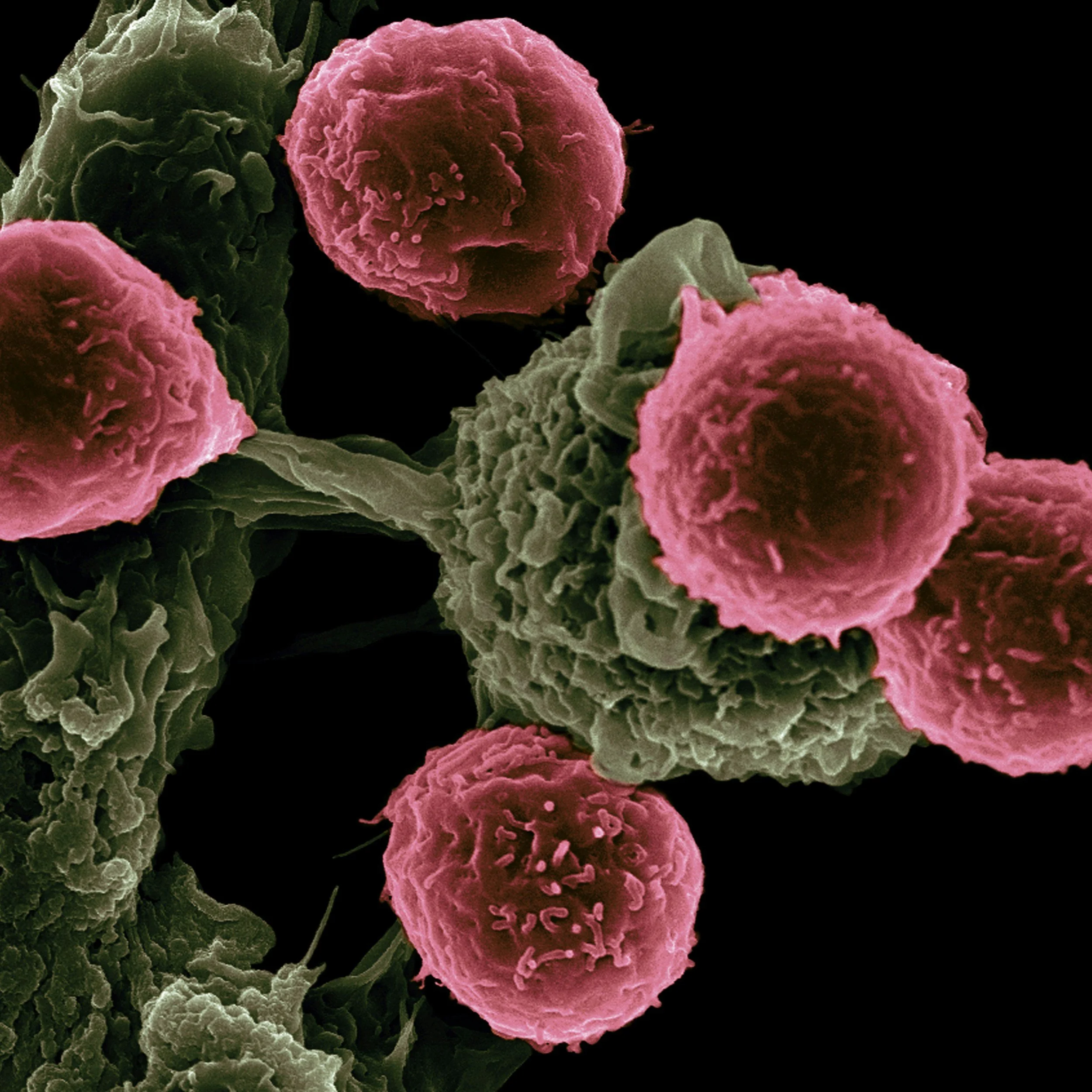
Adjuvant Cemiplimab or Placebo in High-Risk Cutaneous Squamous-Cell Carcinoma
Rischin D, Porceddu S, Day F, et al. N Engl J Med 2025;393:774-85.
Why we chose this paper?
Patients with aggressive cutaneous squamous-cell carcinoma (cSCC) face a high risk of local or distant recurrence despite definitive surgery and radiotherapy. This landmark phase 3 trial addresses a critical clinical gap by establishing high-level evidence for systemic adjuvant immunotherapy where effective treatment standardisations have historically been lacking.
Study aim and design
The international, randomised, double-blind, phase 3 C-POST trial evaluated whether adjuvant cemiplimab prolonged disease-free survival (DFS) compared to placebo. Following macroscopically successful surgical resection and postoperative radiotherapy (≥50 Gy), 415 adults with high-risk local or regional cSCC were randomised 1:1 to receive cemiplimab (350 mg every 3 weeks for 12 weeks, followed by 700 mg every 6 weeks) or placebo for up to 48 weeks. Eligible high-risk features included extensive nodal disease (such as extracapsular extension with a node ≥20 mm) or aggressive nonnodal components like perineural invasion, T4 bone invasion, or in-transit metastases.
What were the main findings?
Adjuvant cemiplimab significantly improved DFS, reducing the relative risk of disease recurrence or death by 68% compared to placebo (HR 0.32; 95% CI, 0.20 to 0.51; P<0.001).
The estimated 24-month DFS rate was 87.1% with cemiplimab versus 64.1% with placebo.
Cemiplimab treatment drastically lowered both locoregional recurrence (HR 0.20; 95% CI, 0.09 to 0.40) and distant recurrence risks (HR 0.35; 95% CI, 0.17 to 0.72).
The therapeutic DFS benefit was consistently maintained regardless of the tumor's baseline PD-L1 expression level.
Grade 3 or higher adverse events occurred in 23.9% of cemiplimab patients versus 14.2% with placebo, causing a 9.8% treatment discontinuation rate.
Limitations and applicability
The trial excluded solid-organ or stem-cell transplant recipients and individuals with active autoimmune disease, who represent populations that frequently develop highly aggressive cSCC in real-world clinical practice. Furthermore, extended follow-up remains necessary to fully confirm long-term overall survival advantages
What’s the take-home message?
Adjuvant cemiplimab following surgical resection and radiation provides outstanding disease-free survival benefits, establishing a definitive new standard of care for patients with high-risk cutaneous squamous-cell carcinoma.
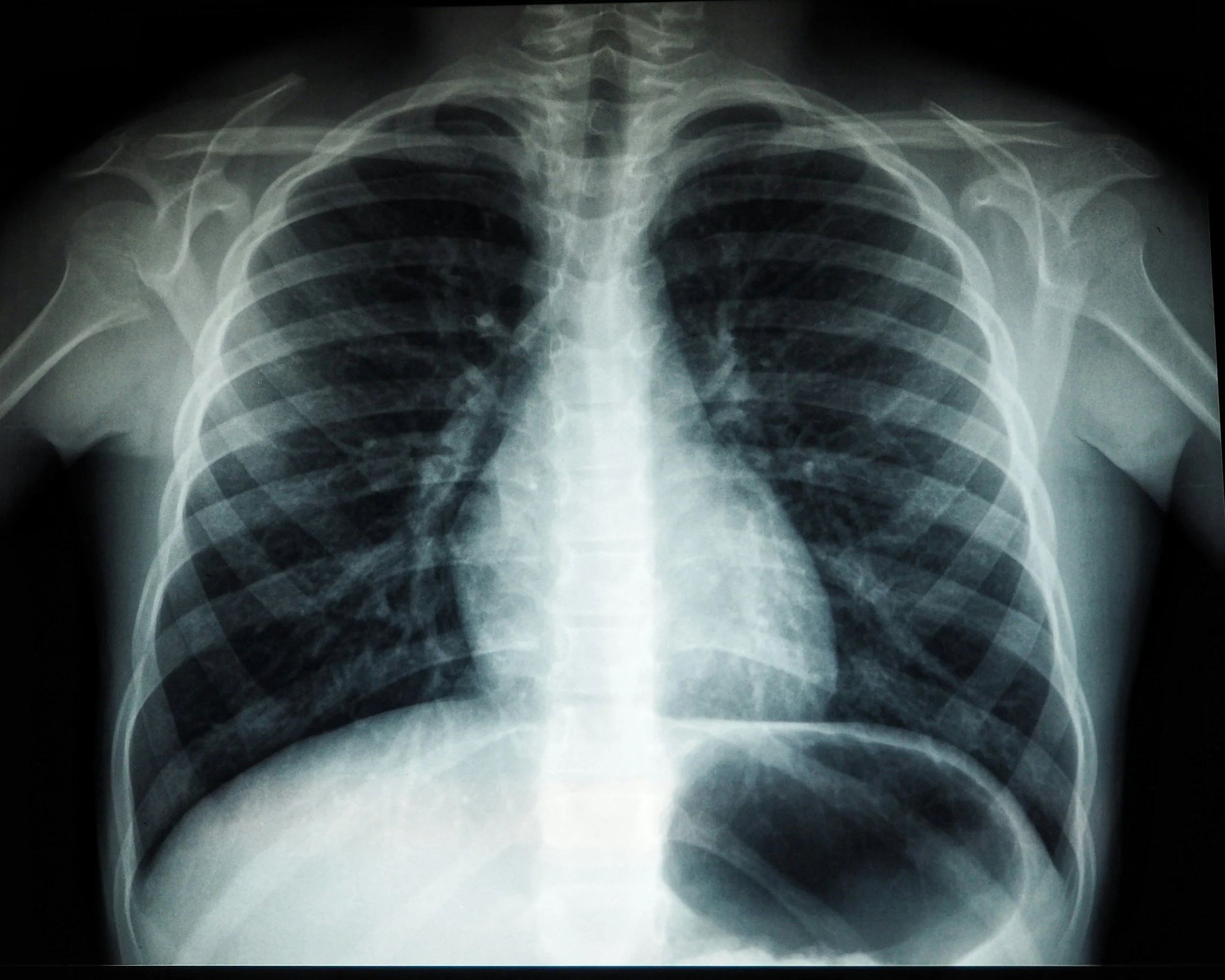
Fibrotic interstitial lung disease in patients with psoriasis using methotrexate: a descriptive cohort study using British Association of Dermatologists Biologics and Immunomodulator registry data
Clarke E, van Bodegraven B, Shipman AR. Clin Exp Dermatol. 2026;51(4):634-637 . doi:10.1093/ced/llaf553.
Why we chose this paper?
Methotrexate (MTX) has historically carried an ominous reputation for inducing fibrotic interstitial lung disease (fILD), driving conventional guidelines to recommend baseline screening chest X-rays and causing lingering clinical anxiety when treating psoriasis. This large-scale, real-world study from the British Association of Dermatologists Biologics and Immunomodulators Register (BADBIR) directly challenges this dogma within a dedicated dermatology population, providing reassuring evidence that reshapes routine drug monitoring protocols.
Study aim and design
This retrospective descriptive cohort study utilised pharmacovigilance data from the BADBIR registry across the UK and Republic of Ireland to examine the association between MTX exposure and fILD in patients with psoriasis. Out of 18,441 total registered psoriasis patients on systemic therapies, the study compared 3,009 individuals ever exposed to MTX after entry against 15,432 unexposed individuals. The primary outcome evaluated was the development of fILD, classified via specific MedDRA preferred terms.
What were the main findings?
There was no statistically significant association between methotrexate exposure and the occurrence of lung fibrosis (χ2=3.3, P=0.071).
The incidence of fILD was actually lower in the methotrexate-exposed cohort than in the unexposed cohort, demonstrating a rate of 2.005 versus 4.545 cases per 10,000 person-years.
Psoriasis patients taking methotrexate experienced 2.5 fewer cases of lung fibrosis per 10,000 person-years compared to those who did not take the medication.
Development of fILD was strongly driven by patient-specific factors rather than drug exposure, with older age, smoking history, psoriatic arthritis, and metabolic/cardiovascular comorbidities (hypertension, myocardial infarction, diabetes, and dyslipidemia) being significantly more common in patients who developed fibrosis.
Chronic, progressive fILD must be clearly distinguished from acute MTX-associated interstitial pneumonitis (MTXip), which is an entirely separate acute hypersensitivity reaction that presents within the first year and carries a high untreated mortality rate of ~20%.
Historical clinical literature linking MTX to chronic fILD is largely flawed, low-quality, or heavily confounded by high background rates of subclinical fibrosis inherent to rheumatoid arthritis patients rather than the drug itself.
Limitations and applicability
The study's descriptive and retrospective design limits the ability to establish definitive causality or fully rule out channel bias, such as clinicians systematically avoiding prescribing MTX to patients with pre-existing pulmonary disease. Furthermore, pre-existing lung conditions could not be thoroughly categorised due to registry data collection limitations in free-text fields. Nevertheless, its substantial sample size and reliance on a major nationwide dermatology registry make these findings highly applicable to standard outpatient dermatology clinics.
What’s the take-home message?
Methotrexate does not increase the risk of developing fibrotic interstitial lung disease in patients with psoriasis above their baseline risk. Historical assumptions of pulmonary fibrosis risk are confounded by rheumatology cohorts or a misdiagnosis of acute hypersensitivity pneumonitis. Consequently, performing routine screening or baseline chest radiography is unnecessary in dermatology drug monitoring clinics for psoriasis patients initiating methotrexate.

Real-world effectiveness of artificial intelligence–assisted lesion triage on cancer waiting times
Carson L et al. Br J Dermatol. 2026.
Why we chose this paper?
AI triage for suspected skin cancer is being rapidly adopted across the NHS, often with claims of transformative impact. This study is important because it moves beyond accuracy studies and examines real-world system outcomes—specifically cancer waiting times, which are highly relevant to service delivery.
Study aim and design
This was an observational, real-world analysis of NHS England data assessing the impact of the AI triage tool DERM on cancer waiting time performance.
Included 24 NHS trusts using AI triage
Analysed Cancer Waiting Time Faster Diagnosis Standard (28-day target)
Compared pre- and post-implementation performance (2021–2025)
Used regression modelling and meta-analysis to assess changes
What were the main findings?
No overall improvement in waiting time performance across trusts
Substantial variation between sites:
17% showed significant improvement
13% showed significant deterioration
Post-implementation trends:
21% improved over time
17% worsened
Meta-analysis showed no significant pooled effect
High heterogeneity between trusts
Baseline performance did not predict outcomes
Suggests effectiveness is highly context-dependent
Limitations and applicability
Observational design—cannot establish causality
Small number of early-adopter trusts
Potential selection bias (digitally mature sites may differ systematically)
No granular data on workflow integration or patient-level outcomes
However, the use of real NHS performance metrics makes findings highly relevant to UK dermatology services.
What’s the take home message?
AI triage is not a guaranteed solution to dermatology waiting times. Outcomes depend heavily on how and where it is implemented, not just the technology itself.
Management of classic lichen planopilaris: The EADV task force on hair diseases position statement
Seyed Jafari SM, Starace M, Katoulis A, et al. J Eur Acad Dermatol Venereol. 2026;00:1-12. doi:10.1111/jdv.70379
Background and rationale
The focus in classic lichen planopilaris (LPP) is the rapid stabilization of lymphocytic inflammation to prevent irreversible cicatricial Alopecia. The EADV task force emphasizes the use of the Lichen Planopilaris Activity Index (LPPAI) to standardize the monitoring of symptoms and objective signs. Trichoscopy remains the most vital tool for real-time assessment, specifically tracking perifollicular erythema and follicular hyperkeratosis as markers of activity. In cases where the clinical presentation is ambiguous, a 4-mm punch biopsy from an active margin remains the diagnostic gold standard.
Structured Therapeutic Ladder
The task force proposes a tiered treatment algorithm based on disease severity and response to initial interventions:
Tier 1: Localised or mild disease is managed with high-potency topical corticosteroids (e.g., clobetasol) or intralesional triamcinolone acetonide (5–10 mg/mL) every 4 to 6 weeks.
Tier 2: Systemic therapy is indicated for extensive or rapidly progressive disease. Hydroxychloroquine (up to 5 mg/kg/day) is the preferred first-line systemic agent. Alternative options include tetracyclines (doxycycline 100–200 mg/day) or pioglitazone (15 mg/day).
Tier 3: In cases recalcitrant to Tier 2 agents, immunosuppressants such as mycophenolate mofetil (2–3 g/day), methotrexate (10–25 mg/week), or cyclosporine are recommended.
Tier 4: Emerging data support the use of Janus kinase (JAK) inhibitors, such as tofacitinib (5 mg twice daily) or ruxolitinib, for severe or highly refractory cases.
Advanced Considerations and Stability
Adjuvant therapies, including topical or low-dose oral minoxidil, can be used to optimize the density of unaffected follicles. While platelet-rich plasma (PRP) is discussed, evidence remains limited. Surgical intervention, such as hair transplantation, should only be considered after a minimum of two years of documented clinical and trichoscopic stability. Frequent follow-up every 3 to 6 months is necessary to monitor for subclinical reactivation.