April 2026. Volume 37.
Dermatology Snapshots
Highlights:
Salt immersion as a treatment for warts
Targeted reapplication of treatment for scabies in infants
Changes to Advice and Guidance in NHS England
Weekly or daily bathing in patients with eczema?
Which devices to use in patient teledermoscopy?
Does AI improve FDS in real world application?
LPP guidance from EADV
Hep B guidance for patients on systemics

Beyond the standard: targeted reapplication in palmoplantar scabies of infants
Mussi M et al. Clin Exp Dermatol 2026;51:278–281.
Why we chose this paper?
Scabies treatment failure is increasingly encountered in clinical practice, particularly in infants. This concise report offers a simple, pragmatic modification to standard therapy that is immediately applicable and challenges the assumption that failures are primarily due to resistance.
Study aim and design
A small prospective cohort study (n=22) evaluated whether targeted reapplication of permethrin 5% cream to palms and soles improves outcomes in infants with persistent palmoplantar scabies following standard treatment.
What were the main findings?
All patients had failed standard permethrin regimen (day 0 + day 7 application)
Intervention group (n=11): additional 3 days of targeted palmoplantar application
Control group (n=11): continued standard regimen only
Complete resolution:
100% in intervention group
0% in control group
Behavioural factors (fist clenching, kicking) likely reduced drug contact time
Minimal adverse effects (mild irritation in 2 patients)
Limitations and applicability
Very small sample size with non-randomised allocation
Single-centre study limits generalisability
Short follow-up (4 weeks)
Focused only on infants (<12 months), so applicability to older children/adults is unclear
However, the intervention is low-risk, low-cost, and easily implementable in routine care.
What’s the take-home message?
Standard permethrin regimens may be insufficient in infant palmoplantar scabies.
Targeted reapplication to hands and feet for several consecutive days, based on this small cohort, suggests this can dramatically improve clearance.
Redesign of NHS e-Referral Advice & Guidance: Implications for Dermatology Services
NHS Digital. New Advice and Guidance functionality in the NHS e-Referral Service (2026).
The redesign of Advice and Guidance (A&G) within the NHS e-Referral Service signals a clear shift in how outpatient dermatology services interface with primary care. The updated model moves away from one-off referral queries toward iterative, consultant-led dialogue, supported by structured worklists, templated responses, and improved auditability. In principle, this positions A&G as a front-door triage mechanism, embedding specialist input earlier in the patient pathway.
From a system perspective, the intended benefits are compelling. A&G has the potential to improve referral quality, reduce unnecessary outpatient appointments, and support GP decision-making in real time. For dermatology—where high-volume, low-complexity conditions dominate—this creates an opportunity to standardise advice at scale, particularly for acne, eczema, and lesion assessment. If well implemented, it may also allow more efficient prioritisation of urgent cases and better use of consultant time.
However, commentary in BMJ highlights important concerns that temper this optimism. A key issue is the perception that A&G is being used to suppress referrals, despite assurances that no formal targets exist. There is also a risk of workload redistribution, with primary care managing more patients without proportional resource. For secondary care, increased A&G demand may create a parallel, and potentially unresourced, clinical workload.
More critically, there are clinical governance considerations. Asynchronous advice risks delayed escalation in time-sensitive conditions, including skin cancer, particularly if response times are inconsistent. Additionally, medicolegal responsibility can become blurred between advising consultant and referring clinician.
Overall, the redesign represents a meaningful evolution toward digitally mediated, consultant input at scale. Its success in dermatology will depend less on functionality and more on implementation—specifically, whether A&G is resourced, governed, and used as a clinical tool rather than an administrative filter.

Weekly vs daily bathing for eczema: the Eczema Bathing Study
Bradshaw L et al. Br J Dermatol 2026;194:450–459.
Why we chose this paper?
Bathing advice in eczema is one of the most common—and inconsistently delivered—pieces of guidance in dermatology. Despite its ubiquity, it has been based on weak evidence. This large, pragmatic RCT directly answers a question patients ask daily: how often should I wash?
Study aim and design
This was a UK-based, online, pragmatic randomised controlled trial comparing weekly bathing (1–2 times/week) vs daily bathing (≥6 times/week) over 4 weeks in patients aged ≥1 year with eczema.
n = 438 participants
Primary outcome: eczema symptoms (POEM score)
Secondary outcomes: quality of life, itch, treatment use, global control
Participants were asked not to change other treatments during the study.
What were the main findings?
No clinically meaningful difference in eczema symptoms between weekly and daily bathing
No significant differences in:
Quality of life
Itch severity
Disease control
No safety concerns or increased flares in either group
Results consistent across age groups and baseline severity
Patients can safely choose bathing frequency based on preference
Limitations and applicability
Outcomes were self-reported (POEM) without objective clinician scoring
Short follow-up (4 weeks) limits long-term conclusions
Behaviour and adherence may differ in real-world settings
Conducted in a UK population—however, findings are highly generalisable to NHS practice
Importantly, this was a pragmatic, patient-centred trial, reflecting real-world behaviour rather than idealised conditions.
What’s the take-home message?
Bathing frequency does not meaningfully affect eczema outcomes. Patients can be advised to wash as often as they prefer, simplifying counselling and reducing unnecessary restrictions.

Saturated saline immersion for the treatment of refractory plantar warts: An open-label, one-arm, single-center trial
Xu Y, Li T, Liang X, et al. J Am Acad Dermatol. 2026;94:525-529. doi:10.1016/j.jaad.2025.10.014
Why we chose this paper?
Conventional treatments for plantar warts, such as cryotherapy and laser therapy, are often destructive, painful, and associated with high recurrence rates. This study investigates a novel, painless, and completely non-invasive alternative that can be performed by patients at home, potentially shifting the treatment paradigm for refractory cases.
Study aim and design
This pilot study was an open-label, one-arm trial designed to evaluate the safety and efficacy of daily saturated saline immersion for refractory plantar warts. The trial enrolled 17 participants who had failed an average of 3.5 previous therapeutic interventions. The protocol required a daily 30-minute soak in a visual-saturated saline solution for eight weeks, followed by rinsing and drying.
What were the main findings?
High clearance rates were achieved, with 98.3% of individual lesions cleared and 88.2% of participants reaching complete remission by week eight.
There were zero recurrences reported during the 6-month follow-up period, suggesting more thorough viral eradication compared to destructive methods.
The treatment was painless and left no wounds, scars, or bleeding.
Common side effects were limited to transient erythema in 82.4% and mild interdigital maceration in 52.9% of participants.
Patient compliance was high due to the home-based nature of the treatment and the lack of procedure-associated morbidity.
The hypothesized mechanism involves hypertonic saline restoring the activity of antimicrobial peptides like LL-37, which exerts direct antiviral effects against HPV.
Limitations and applicability
The study's primary limitations include a small sample size and a single-arm design without a concurrent control group. Despite these factors, the treatment's low cost and ease of use make it highly applicable for clinical practice, especially for patients with extensive or recalcitrant lesions who wish to avoid painful procedures.
What’s the take-home message?
Daily saturated saline immersion appears to be an effective, non-invasive, and painless treatment for refractory plantar warts that achieves high clearance with minimal recurrence.
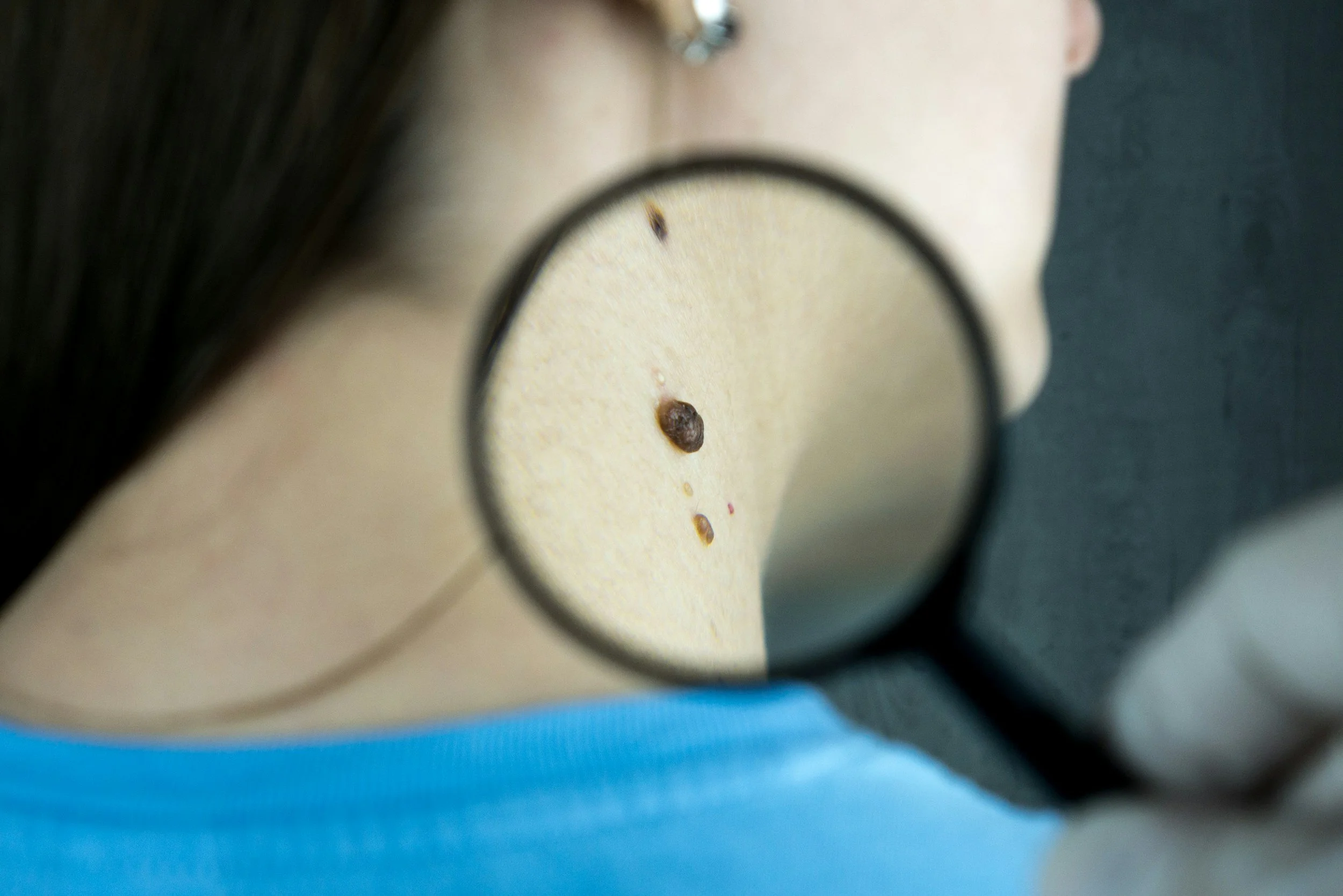
Mobile Dermatoscope Type in Patient-Performed Teledermoscopy: A Study Within a Trial
Ackermann DM et al. JAMA Dermatol. 2026;162(2):124–132.
Why we chose this paper?
Teledermatology and patient-led surveillance are expanding rapidly, particularly in melanoma follow-up. However, there is little practical guidance on which devices patients should use. This study directly addresses a real-world question: does expensive dermoscopy hardware actually add clinical value?
Study aim and design
A randomised study within a trial (embedded in the MEL-SELF trial) compared a low-cost ambient-light dermatoscope with a higher-cost illuminated, polarised dermatoscope for patient-performed teledermoscopy.
n = 251 adults with prior early-stage melanoma
Participants submitted images via smartphone at 3-monthly intervals
Primary outcome: proportion of images adequate for teledermatologist management decisions
What were the main findings?
No significant difference in proportion of patients receiving management recommendations between devices
At baseline:
Polarised: 71.9%
Ambient-light: 67.5%
Over 12 months: similar rates of clinically usable submissions
Image quality slightly better with polarised devices:
Reportable images: 95.0% vs 91.1%
Ambient-light devices had more issues with blur and lighting
Usability similar between groups
Cost difference substantial (~$324 vs ~$35)
Limitations and applicability
Conducted in a motivated melanoma follow-up cohort—may not generalise to broader populations
Participants received training, which may not reflect routine use
Outcome focused on image adequacy, not diagnostic accuracy or clinical outcomes
However, the pragmatic design and real-world teledermatology context enhance relevance.
What’s the take-home message?
Low-cost dermatoscopes are clinically usable for patient-led teledermoscopy.
Higher-cost devices improve image quality—but the marginal gain may not justify the cost in routine practice.

Real-world effectiveness of artificial intelligence–assisted lesion triage on cancer waiting times
Carson L et al. Br J Dermatol. 2026.
Why we chose this paper?
AI triage for suspected skin cancer is being rapidly adopted across the NHS, often with claims of transformative impact. This study is important because it moves beyond accuracy studies and examines real-world system outcomes—specifically cancer waiting times, which are highly relevant to service delivery.
Study aim and design
This was an observational, real-world analysis of NHS England data assessing the impact of the AI triage tool DERM on cancer waiting time performance.
Included 24 NHS trusts using AI triage
Analysed Cancer Waiting Time Faster Diagnosis Standard (28-day target)
Compared pre- and post-implementation performance (2021–2025)
Used regression modelling and meta-analysis to assess changes
What were the main findings?
No overall improvement in waiting time performance across trusts
Substantial variation between sites:
17% showed significant improvement
13% showed significant deterioration
Post-implementation trends:
21% improved over time
17% worsened
Meta-analysis showed no significant pooled effect
High heterogeneity between trusts
Baseline performance did not predict outcomes
Suggests effectiveness is highly context-dependent
Limitations and applicability
Observational design—cannot establish causality
Small number of early-adopter trusts
Potential selection bias (digitally mature sites may differ systematically)
No granular data on workflow integration or patient-level outcomes
However, the use of real NHS performance metrics makes findings highly relevant to UK dermatology services.
What’s the take home message?
AI triage is not a guaranteed solution to dermatology waiting times. Outcomes depend heavily on how and where it is implemented, not just the technology itself.

Management of classic lichen planopilaris: The EADV task force on hair diseases position statement
Seyed Jafari SM, Starace M, Katoulis A, et al. J Eur Acad Dermatol Venereol. 2026;00:1-12. doi:10.1111/jdv.70379
Background and rationale
The focus in classic lichen planopilaris (LPP) is the rapid stabilization of lymphocytic inflammation to prevent irreversible cicatricial Alopecia. The EADV task force emphasizes the use of the Lichen Planopilaris Activity Index (LPPAI) to standardize the monitoring of symptoms and objective signs. Trichoscopy remains the most vital tool for real-time assessment, specifically tracking perifollicular erythema and follicular hyperkeratosis as markers of activity. In cases where the clinical presentation is ambiguous, a 4-mm punch biopsy from an active margin remains the diagnostic gold standard.
Structured Therapeutic Ladder
The task force proposes a tiered treatment algorithm based on disease severity and response to initial interventions:
Tier 1: Localised or mild disease is managed with high-potency topical corticosteroids (e.g., clobetasol) or intralesional triamcinolone acetonide (5–10 mg/mL) every 4 to 6 weeks.
Tier 2: Systemic therapy is indicated for extensive or rapidly progressive disease. Hydroxychloroquine (up to 5 mg/kg/day) is the preferred first-line systemic agent. Alternative options include tetracyclines (doxycycline 100–200 mg/day) or pioglitazone (15 mg/day).
Tier 3: In cases recalcitrant to Tier 2 agents, immunosuppressants such as mycophenolate mofetil (2–3 g/day), methotrexate (10–25 mg/week), or cyclosporine are recommended.
Tier 4: Emerging data support the use of Janus kinase (JAK) inhibitors, such as tofacitinib (5 mg twice daily) or ruxolitinib, for severe or highly refractory cases.
Advanced Considerations and Stability
Adjuvant therapies, including topical or low-dose oral minoxidil, can be used to optimize the density of unaffected follicles. While platelet-rich plasma (PRP) is discussed, evidence remains limited. Surgical intervention, such as hair transplantation, should only be considered after a minimum of two years of documented clinical and trichoscopic stability. Frequent follow-up every 3 to 6 months is necessary to monitor for subclinical reactivation.
Updated guidelines on hepatitis B virus infection management in patients treated with systemic immunomodulatory agents
Mateu-Arrom L, Gallego Moya A, Puig L. J Eur Acad Dermatol Venereol. 2026;00:1-3. doi:10.1111/jdv.70319
Shift in Hepatitis B Management
Universal screening for HBsAg, anti-HBc, and anti-HBs is now mandatory for all patients before initiating immunomodulatory therapy to identify those at risk of reactivation. A significant update in the 2025 EASL guidelines is the transition toward streamlined therapeutic algorithms that are independent of HBeAg status. This simplification aims to eliminate the clinical uncertainty previously associated with 'grey zone' patients where HBeAg status and viral load levels were inconsistently aligned.
Risk Stratification and Prophylaxis Algorithm
The latest guidance stratifies patients by the risk of reactivation associated with specific drug classes and their baseline serological status. Antiviral prophylaxis is recommended for all HBsAg-positive patients or those with detectable HBV DNA, except when the drug-associated risk is considered low:
High Risk (>10%): B-cell depleting therapies (e.g., rituximab) carry high risk regardless of HBsAg or anti-HBc status; prophylaxis is mandatory. TNF, JAK, and IL-17 inhibitors also carry high risk in HBsAg-positive patients.
Moderate Risk (1-10%): IL-12/23 inhibitors in HBsAg-positive patients and TNF, JAK, or IL-17 inhibitors in anti-HBc positive patients are categorized as moderate risk. Prophylaxis is indicated for HBsAg-positive patients in this group but is generally not required for those who are only anti-HBc positive.
Low Risk (<1%): Methotrexate, azathioprine, and low-dose corticosteroids (less than 20 mg/day) are associated with low risk, and prophylaxis is not indicated regardless of serology.
Monitoring and Preventive Strategies
For patients not receiving prophylaxis, close monitoring with ALT and HBV DNA assessments every three months is essential to detect subclinical reactivation. While data for newer agents like IL-23, IL-4, and IL-13 inhibitors are currently insufficient to form specific recommendations, vaccination remains the gold standard for prevention in non-immune patients. Importantly, systemic immunomodulatory treatments do not appear to impair the immunogenicity of the HBV vaccine.